Sporting the distinctive split-color black and gray bezel akin to its gold and two-tone counterparts from the previous year, this new model marries the updated bezel with a green GMT hand and green dial text reminiscent of the 2022 black and green left-handed GMT-Master II.
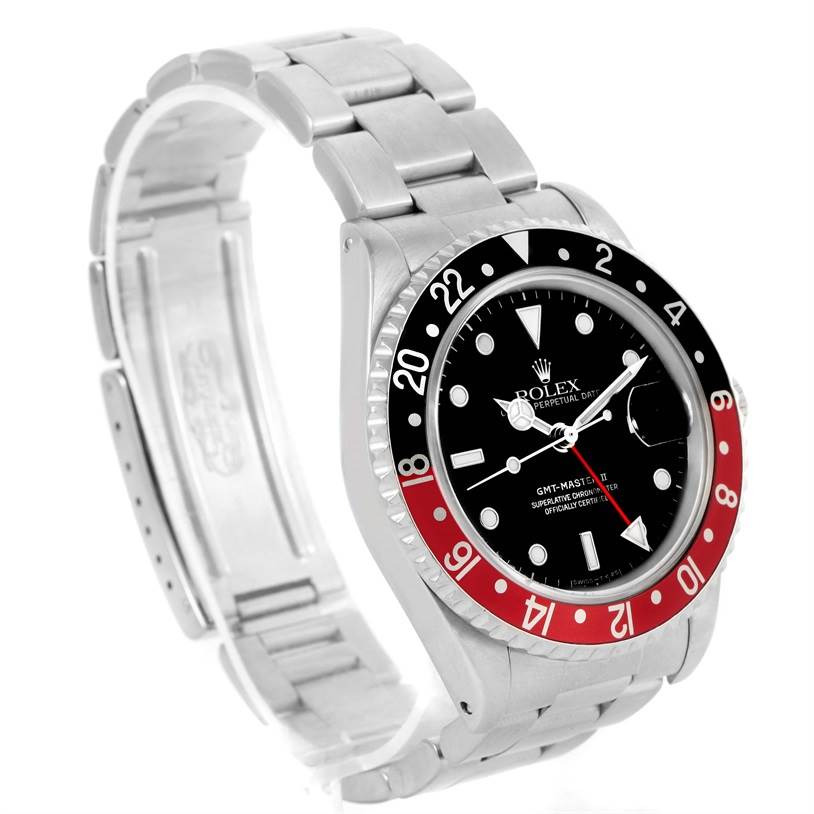
The Rolex GMT-Master II 126710GRNR presents a fresh color scheme within the existing stainless steel range. Nevertheless, it signifies a subtle departure in Rolex’s assortment of multi-timezone travel replica watches, blending elements of the dial and hands from the black and green stainless steel model (ref. 126720VTNR) with the black and gray bezel introduced in the solid 18k yellow gold and Yellow Rolesor GMT-Master II editions from the preceding year. Beyond its new colorway, the watch maintains parity with its stainless steel counterparts in the current series. It boasts a 40mm Oystersteel (904L stainless steel) case, equipped with a flat sapphire crystal complete with the characteristic Cyclops magnification lens, alongside a Triplock screw-down crown and solid screw-down caseback ensuring water resistance to 100 meters.
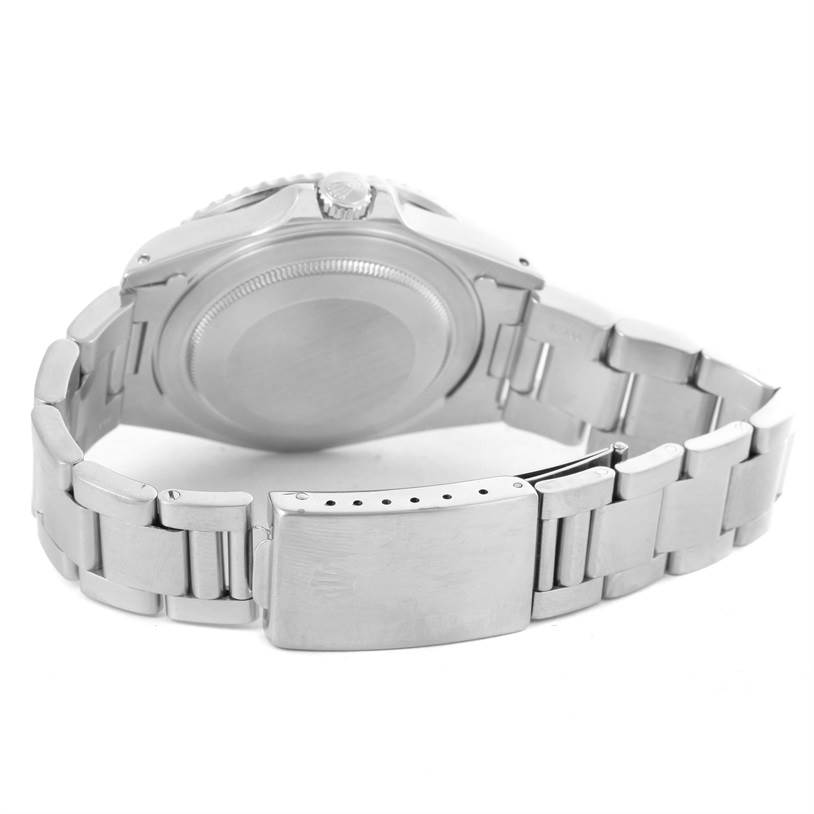
Like its counterparts in the GMT-Master II lineup, the Rolex GMT-Master II 126710GRNR is propelled by the brand’s Caliber 3285 automatic GMT movement, incorporating the Chronergy escapement and operating at a frequency of 28,800vph (4 Hz) with a power reserve of roughly 70 hours. Similarly, it offers a choice between Rolex’s three-link Oyster or five-link Jubilee bracelets, both featuring the Oysterlock clasp with the Easylink comfort extension system.
Distinguishing itself from its siblings, the Rolex GMT-Master II 126710GRNR diverges in its dial, hands, and bezel insert. Except for the relocated date window at the customary 3 o’clock position, the dial mirrors that of the black and green left-handed ref. 126720VTNR, showcasing a glossy black surface, applied white gold hour markers filled with Rolex’s blue-glowing Chromalight lume, and green “GMT-Master II” lettering at the bottom. The handset echoes its black and green counterparts, boasting polished white gold Mercedes-style hands and a GMT hand with a matching bright green shaft.
The bezel insert of the replica Rolex GMT-Master II 126710GRNR adopts the same split-color black and gray design featured on the two-tone and solid yellow gold models unveiled at Watches & Wonders the previous year. However, instead of yellow gold PV-finished numerals, this latest stainless steel iteration incorporates platinum PVD-coated numerals to complement its case. While speculation suggested the transition of this black and gray split-color bezel to stainless steel models following its debut on solid gold and two-tone variants, the small green accents on the dial and hands come as a slight surprise, given their presence on the left-handed ref. 126720VTNR.
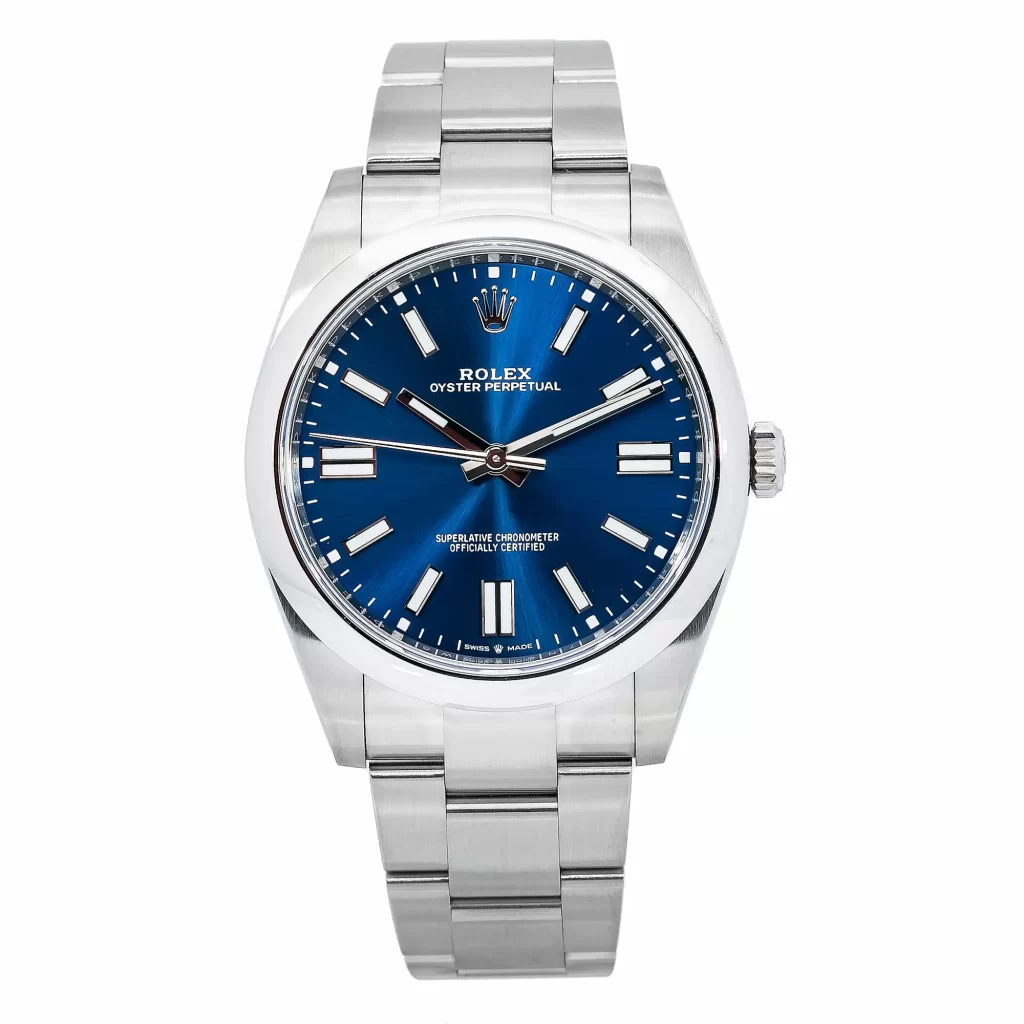
The new Rolex GMT-Master II 126710GRNR retails at $10,700 USD with the Oyster bracelet or $10,900 USD with the Jubilee bracelet. With the discontinuation of the GMT-Master II featuring an all-black Ceramic bezel (ref. 116710LN) several years ago, there has been considerable demand for Rolex to reintroduce a more understated version of the GMT-Master II, particularly considering the vibrant bezel options previously available for the stainless steel models.